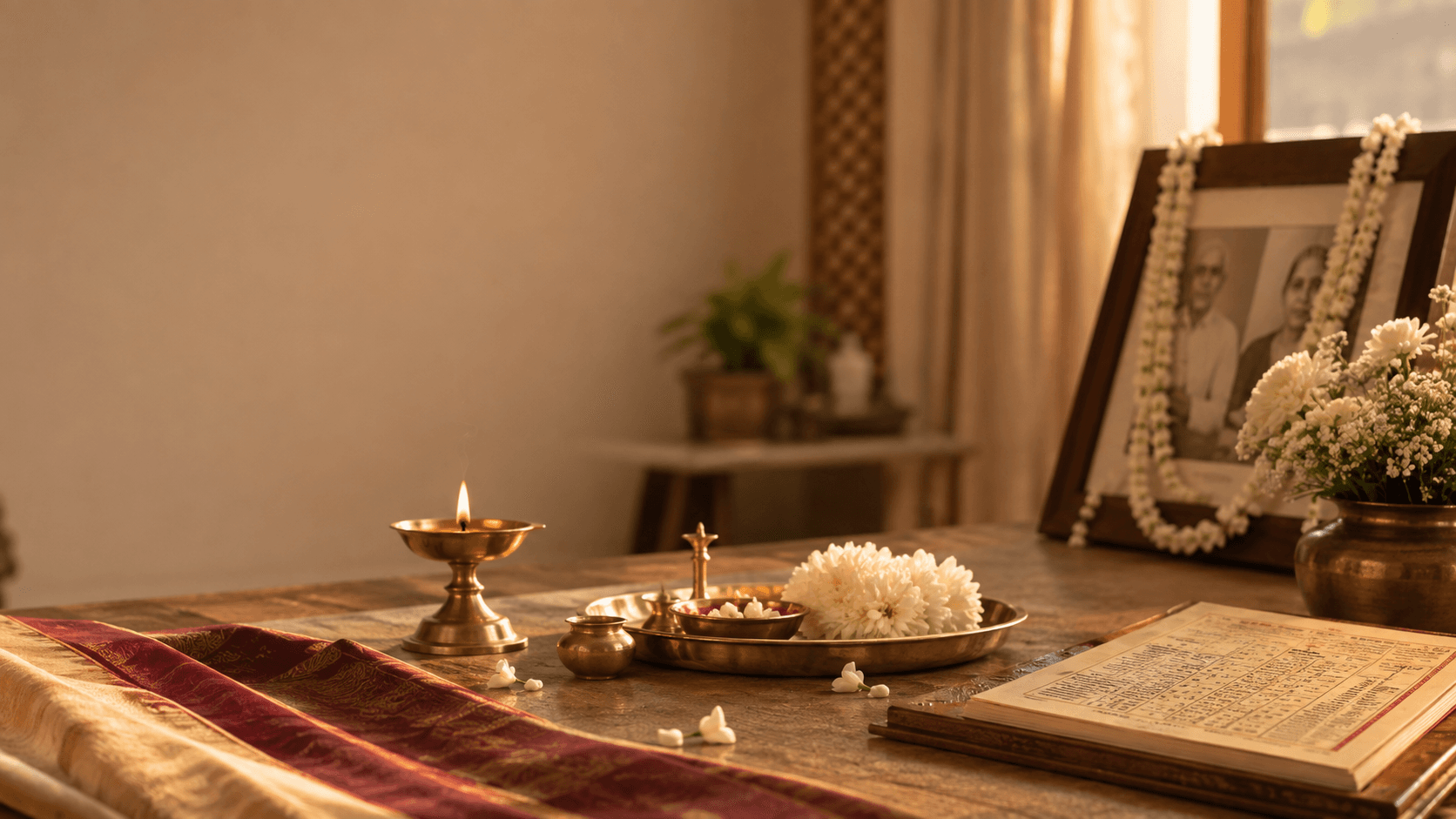
For someone who did not grow up actively observing Amavasya, the day can seem like simply another date in the Panchang. In Hindu ancestral traditions, however, the new-moon day has long held a particular connection with remembrance of the Pitrs (ancestors).
What is Amavasya?
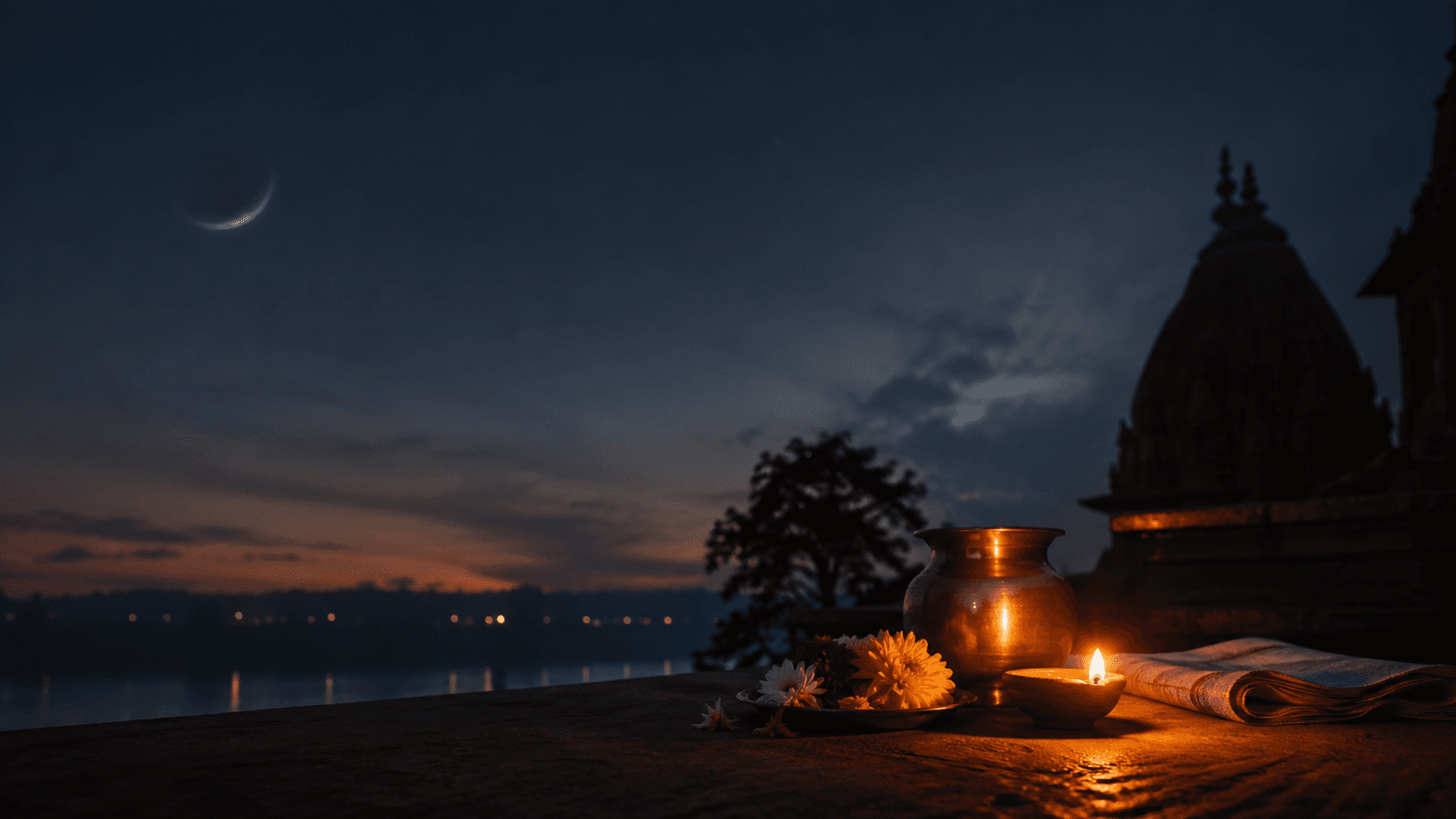
Amavasya is the new-moon day — the close of the waning fortnight (Krishna Paksha), when the moon is not visible in the night sky. It returns roughly once a lunar month.
Why ancestors?
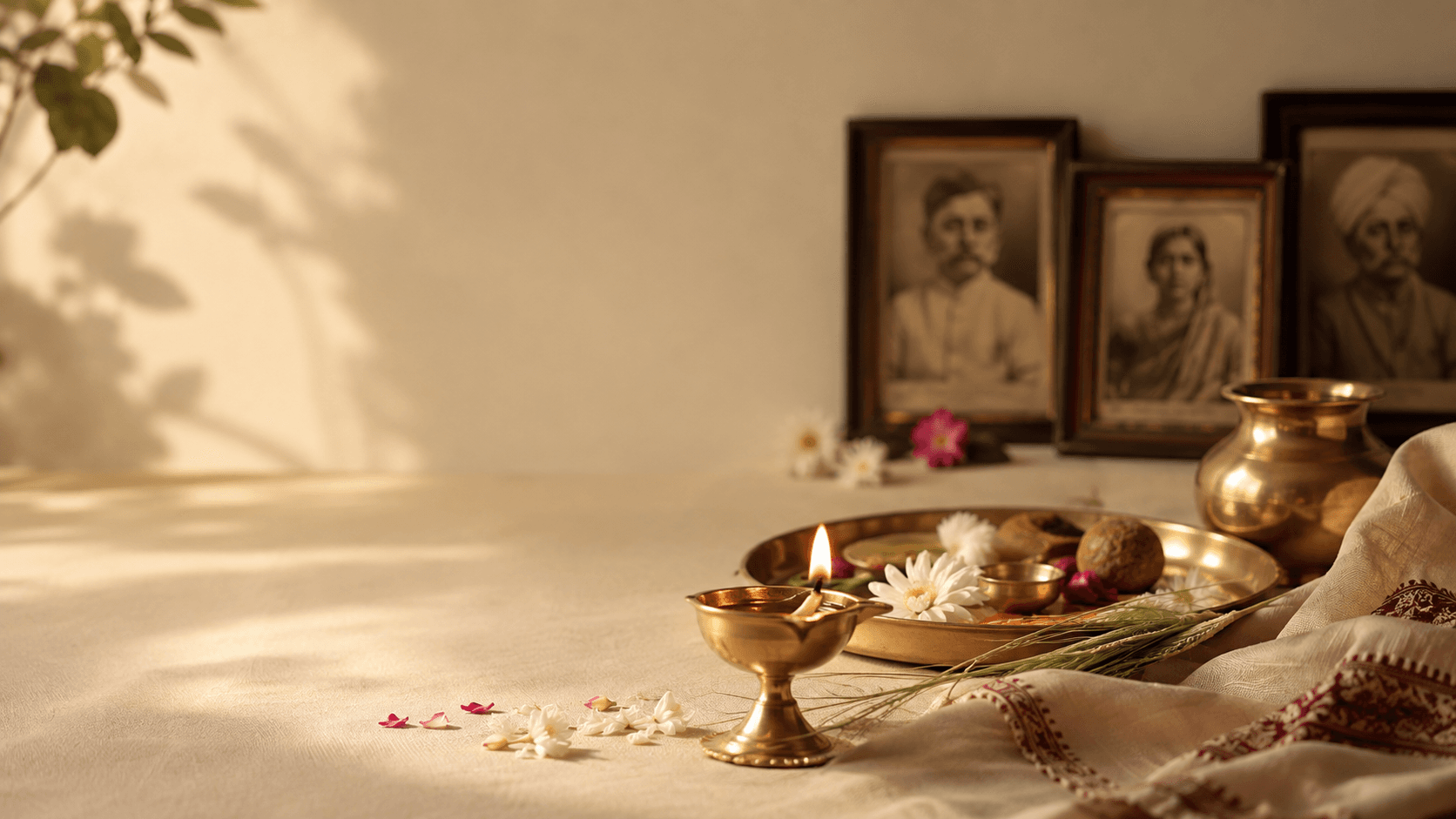
Dharmashastra material recognises new-moon (Amavasya) Shraddha and offerings connected with the Pitrs. Across many regional traditions, the new moon came to be associated with turning one's thoughts to those who came before — through remembrance, offerings and acts of giving.
Amavasya and Shraddha
Shraddha and Tarpan are formal rites with their own procedures, and they vary by region, family and sampradaya. Roots & Seva does not perform them, and an Anna Daan booking is not a replacement for them.
What is Sarvapitri Amavasya?
The new-moon day that concludes Pitru Paksha is known as Sarvapitri (or Mahalaya) Amavasya, and is traditionally regarded as an especially significant day for remembering all one's ancestors. This does not mean every monthly Amavasya is identical to it — the concluding Amavasya of Pitru Paksha holds a distinct place.
Where does daan fit?
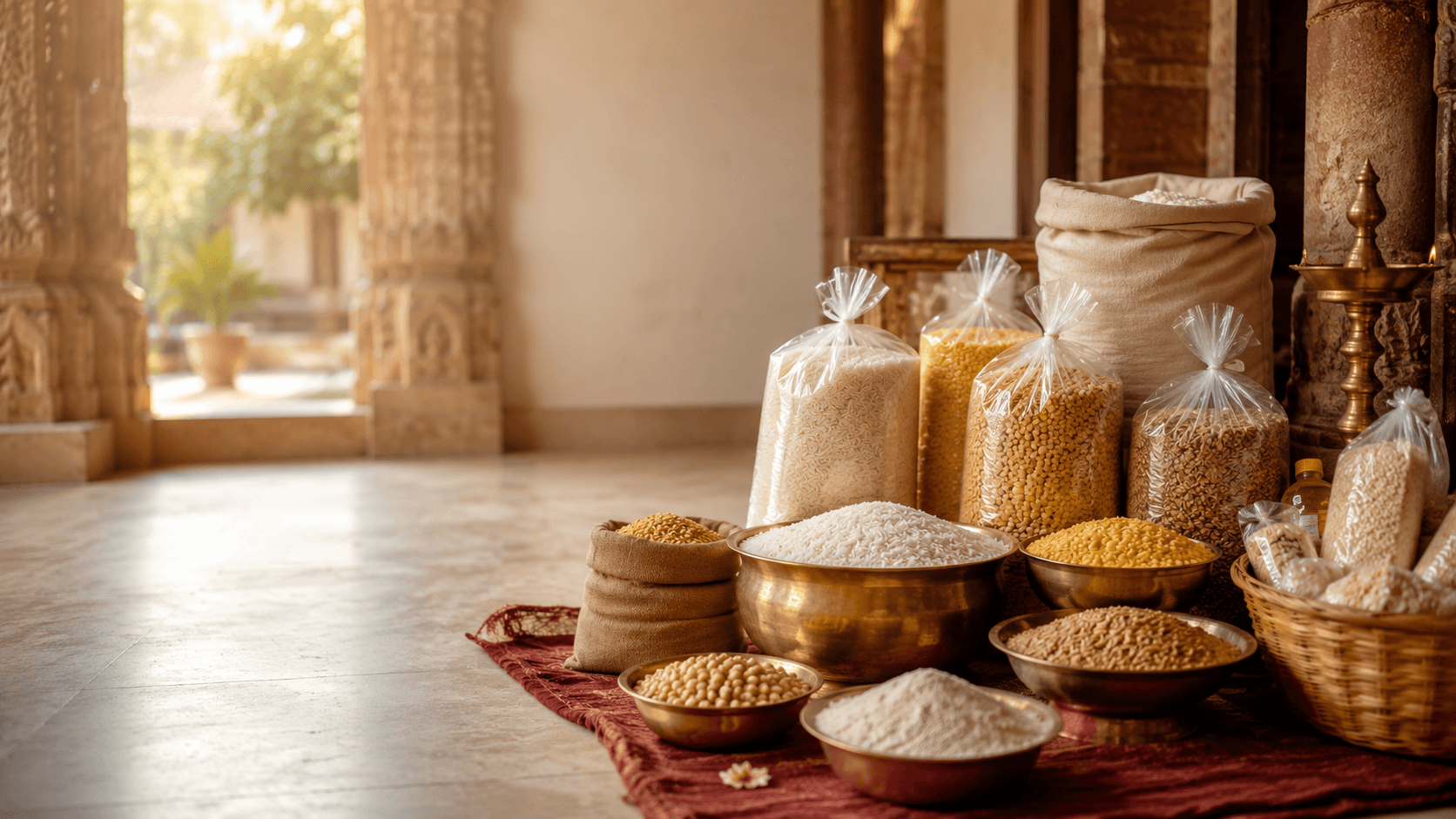
Acts of giving (daan) may accompany formal rites, or stand on their own as a simple gesture of remembrance. A family might choose Anna Daan or another seva on Amavasya as a separate act of remembering and giving.
A simple way to reconnect
You do not have to pretend the tradition was never interrupted. Understanding why the day carries meaning can be enough to begin — and if it feels right, a small act of seva can carry that intention forward.
If your family follows a specific Shraddha tradition, that tradition should take precedence over general website guidance. Where you'd simply like to remember and give, we can arrange Gau Seva, Anna Daan or Brahman Bhojan in a loved one's name.
Sources & tradition notes
Hindu practices vary by region, family and sampradaya. This article is intended as an accessible introduction rather than a replacement for guidance from your family's priest or tradition.
- Dharmashastra / Manusmriti commentary tradition recognising Amavasya (new-moon) Shraddha and ancestral offerings.
- Pitru Paksha references identifying Sarvapitri / Mahalaya Amavasya as the concluding, especially significant day.