What is Pitru Paksha?
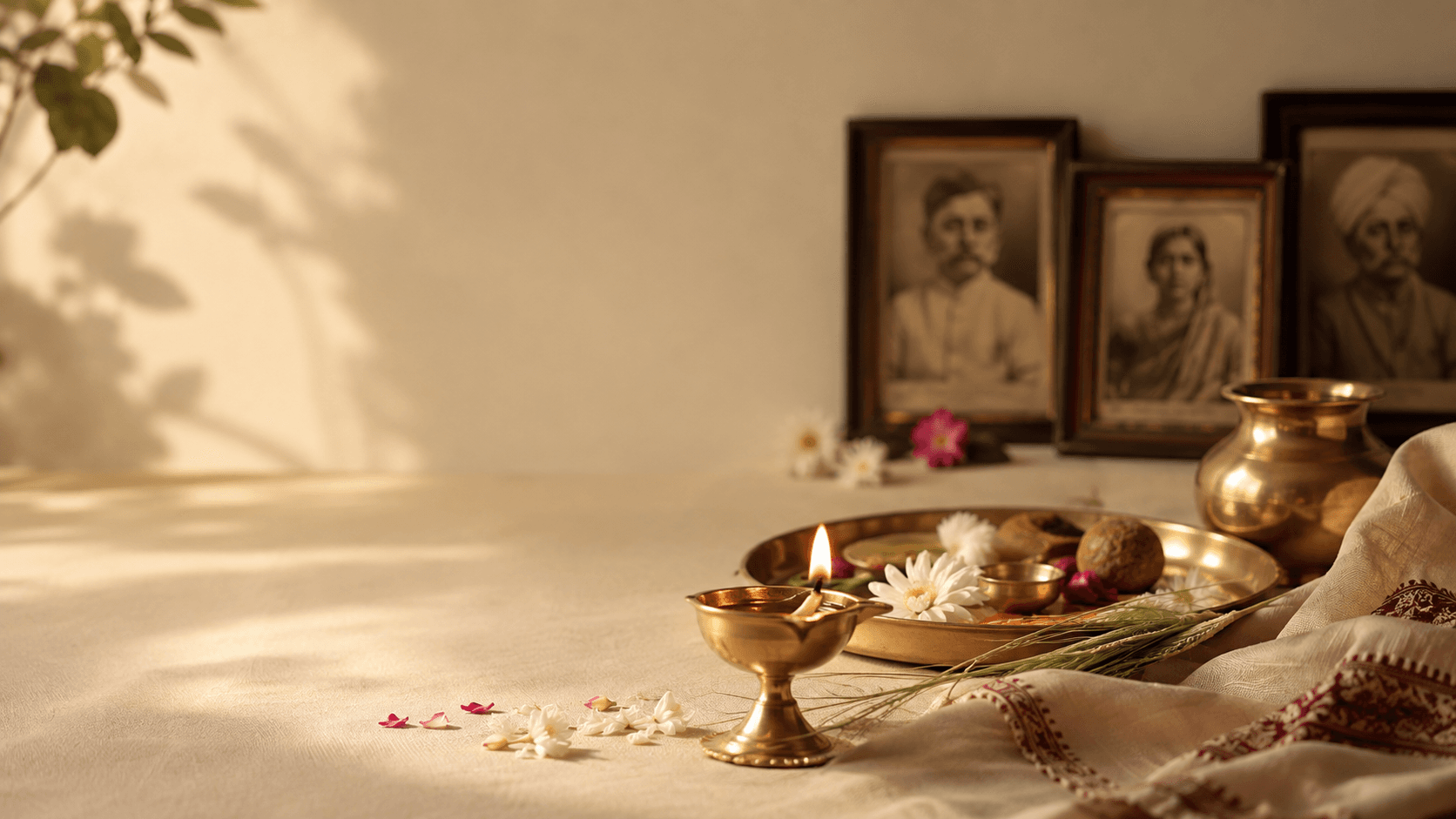
Pitru Paksha is a period of approximately fifteen lunar days traditionally devoted to remembrance of one's ancestors (the Pitrs). Across many communities it is a time when families turn their attention to those who came before.
Why the ancestor's tithi matters
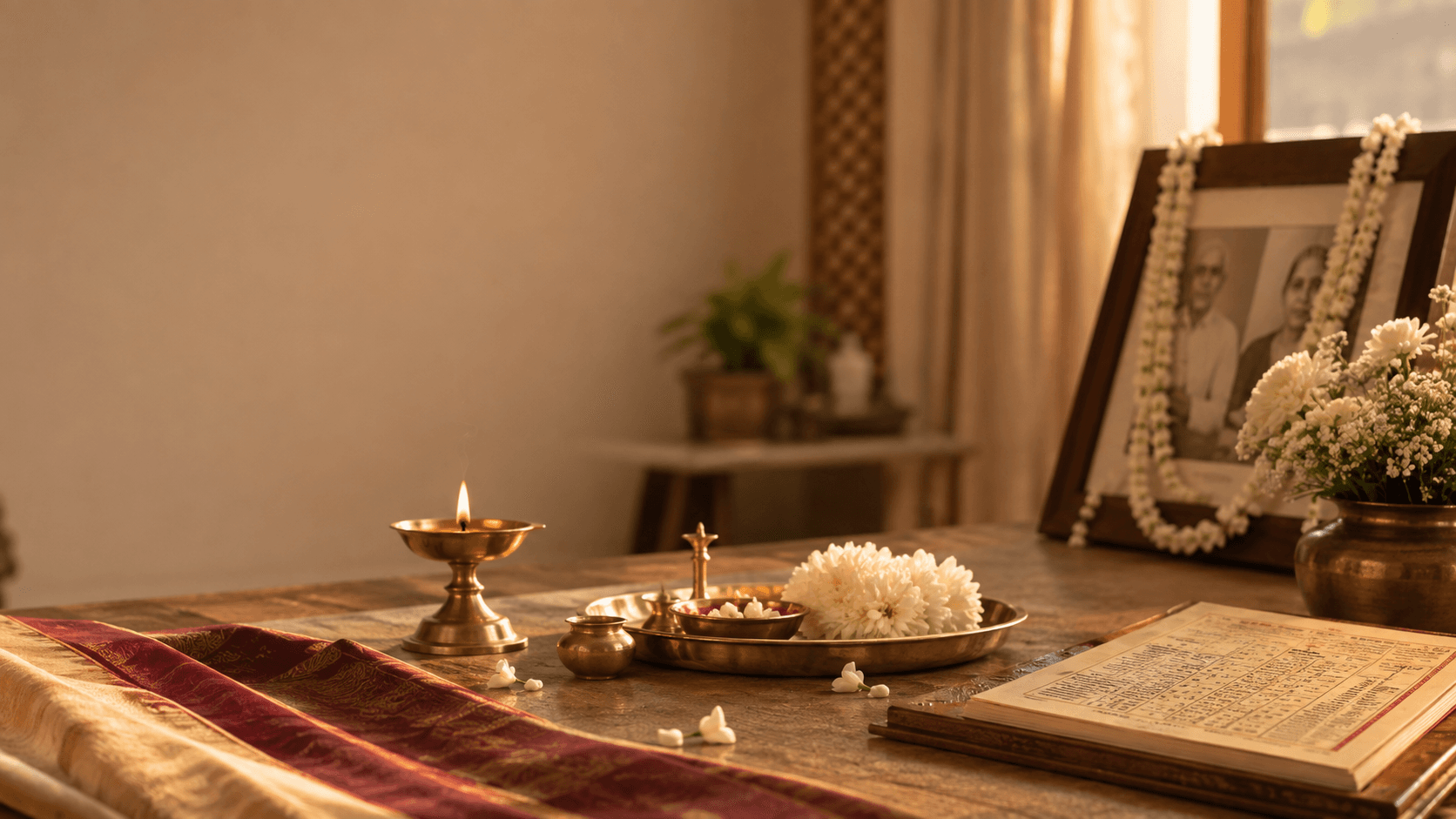
Within the fortnight, remembrance is often observed on the tithi corresponding to a departed family member's passing — the same lunar reckoning described in the annual tithi. Families who follow Shraddha do so according to their own tradition.
Sarvapitri / Mahalaya Amavasya
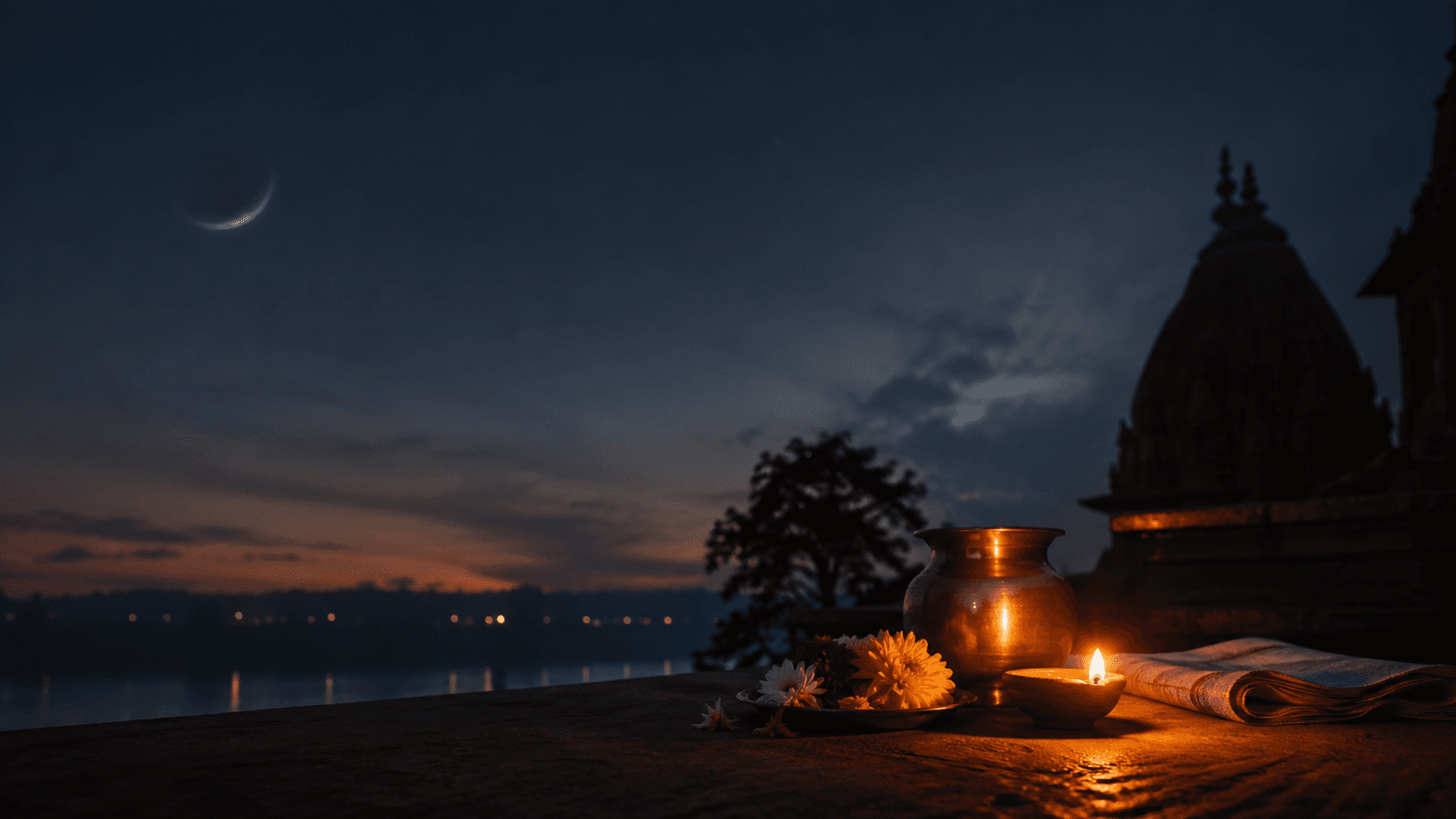
The concluding new-moon day is known as Sarvapitri (or Mahalaya) Amavasya and is traditionally regarded as an especially significant day for remembering all one's ancestors — see why Amavasya is associated with remembrance.
Common traditional elements
Depending on family and region, observances may include:
- Shraddha;
- Tarpan;
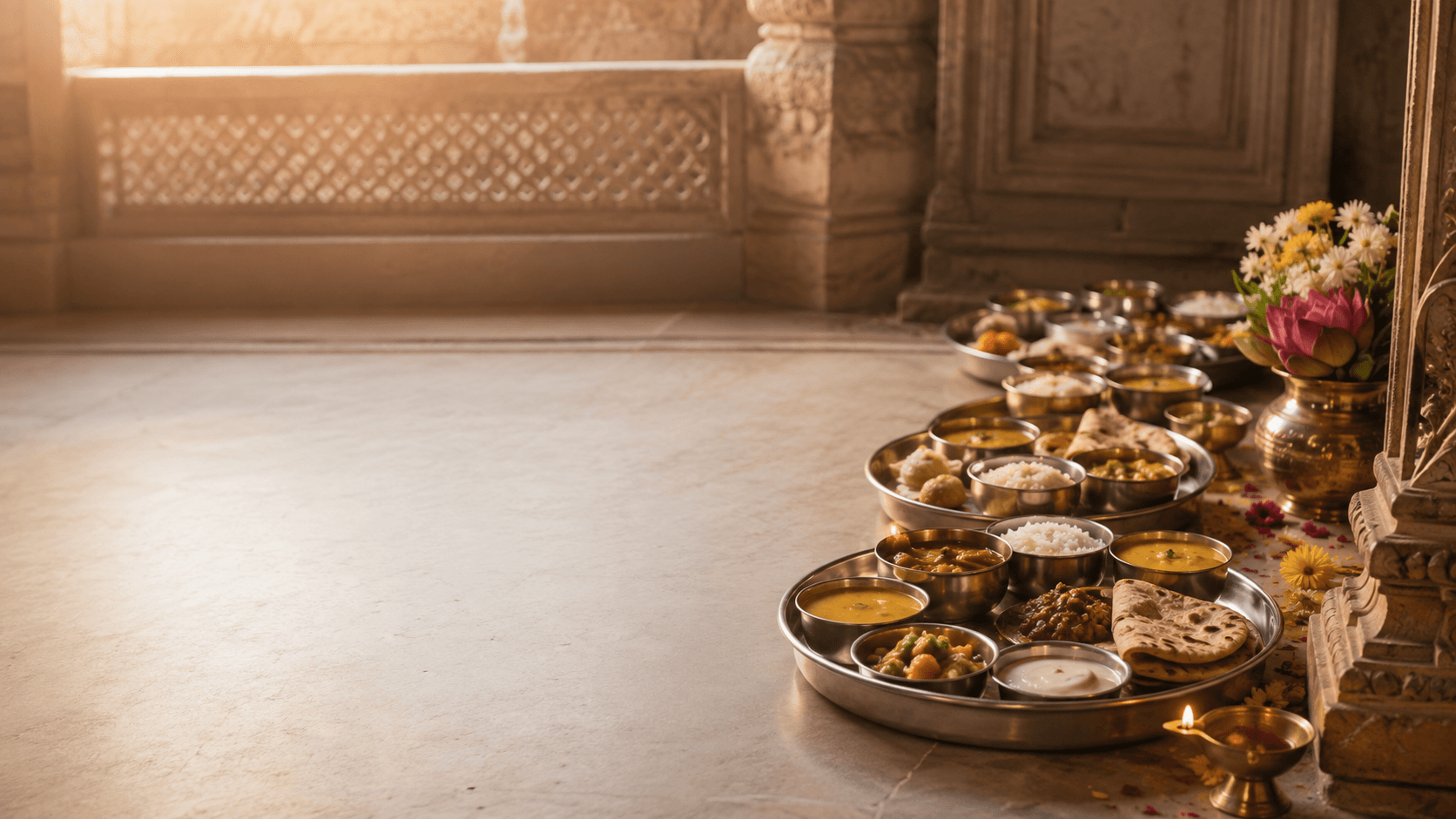
- food offerings;
- feeding Brahmins.
These are formal rites with their own procedures. This article is an introduction, not a step-by-step ritual guide — where they apply, follow your family's tradition or priest's guidance.
For families abroad
Distance does not have to mean forgetting. Even far from India, a family can keep the intention of remembrance — and, where it feels meaningful, arrange a separate act of seva. See how families abroad can arrange seva in India.
During Pitru Paksha we can arrange a separate act of remembrance — Gau Seva, Anna Daan or Brahman Bhojan — carried in a loved one's name. We do not perform Shraddha, Tarpan or Pind Daan.
Sources & tradition notes
Hindu practices vary by region, family and sampradaya. This article is intended as an accessible introduction rather than a replacement for guidance from your family's priest or tradition.
- Traditional and Panchang sources describing the roughly fifteen-day period of ancestral remembrance, with food offerings / Shraddha.
- Sarvapitri / Mahalaya Amavasya as the concluding, especially significant day of the fortnight.